Why Install a Custom Pergola in Brookfield?
Key Takeaways
- A custom pergola can provide partial shade and structure to an outdoor space without fully enclosing it.
- Pergolas are often chosen for their ability to define an outdoor living area while still allowing airflow and natural light.
- Curb appeal and potential property value benefits are common reasons homeowners consider a pergola, though outcomes vary by property.
- Material choice, size, and placement all affect how well a pergola performs for a specific home or business.
- Local climate factors in Brookfield, including snow load and seasonal temperature swings, should factor into pergola planning.
Introduction
A custom pergola is often installed to create shade, define an outdoor living space, and add visual structure to a backyard or patio without fully enclosing it. For homeowners and business owners in Brookfield, this matters because outdoor spaces here deal with a wide range of seasonal conditions, from intense summer sun to snow load in winter, and a pergola needs to be planned with those realities in mind.
This guide looks at what a pergola actually does, what factors affect its performance, and what to consider before moving forward with one. For those exploring custom pergola construction as an option, understanding the practical side of the decision helps set realistic expectations from the start.
What a Custom Pergola Actually Provides
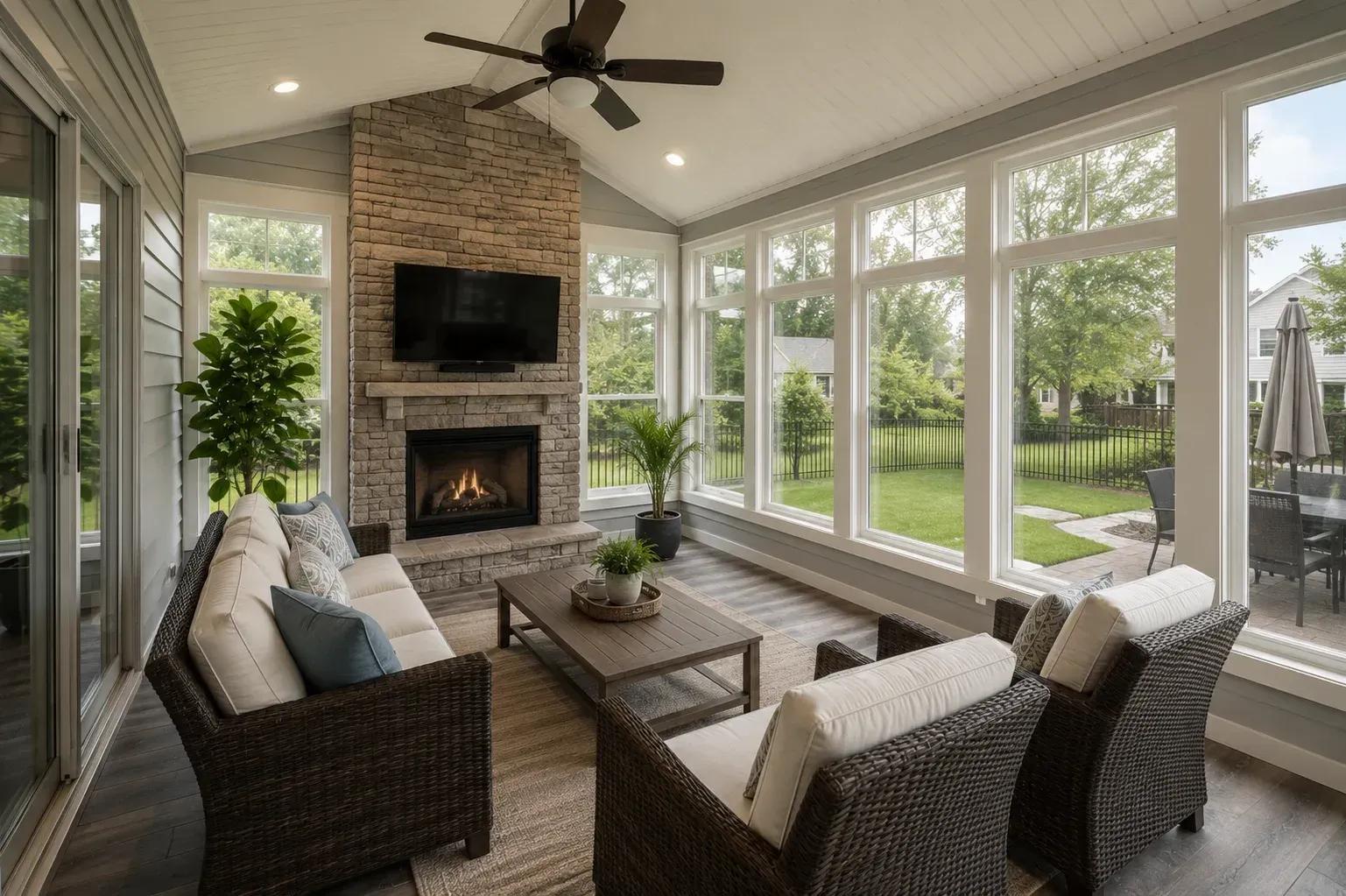
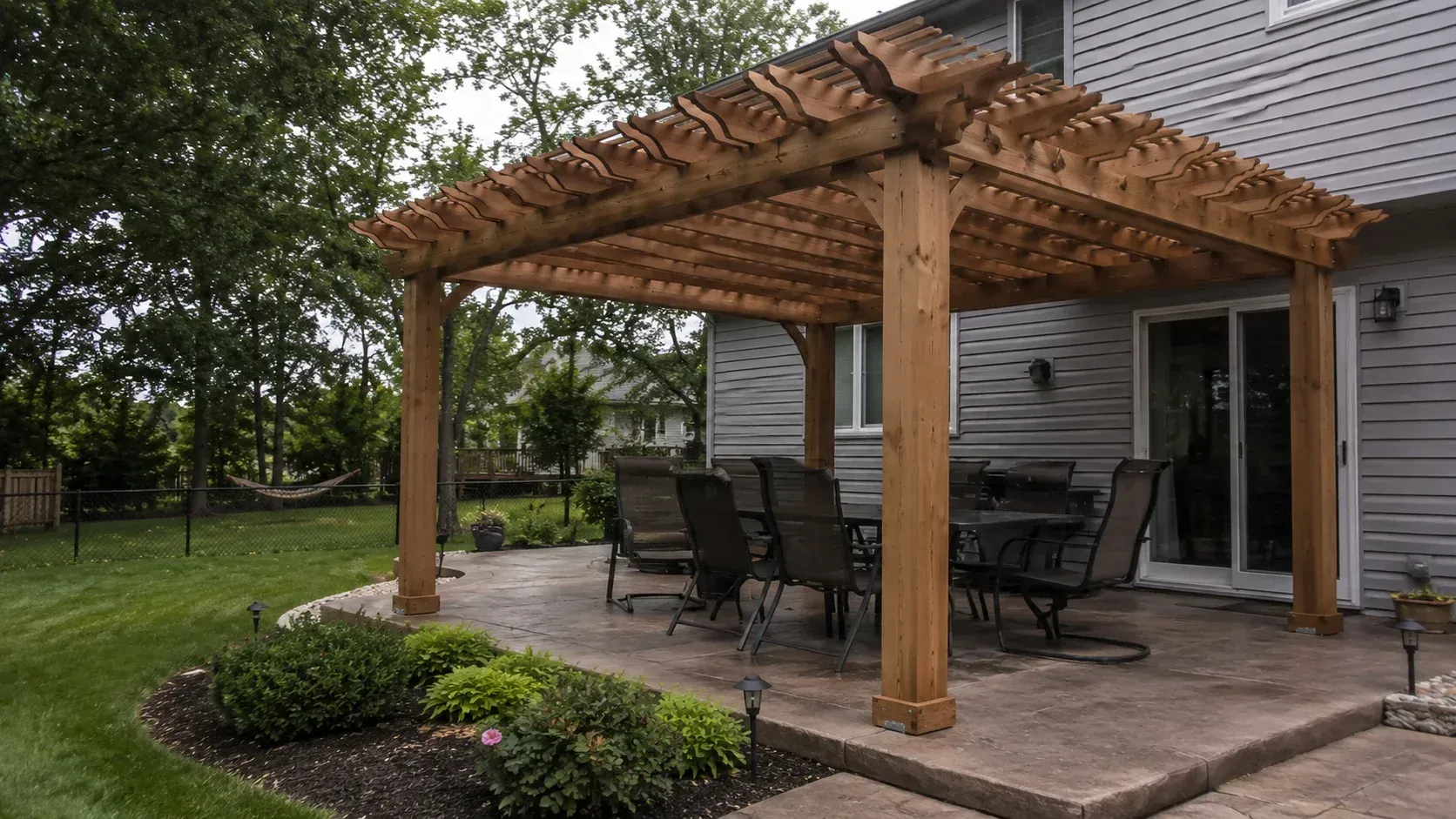
A pergola is an open-roof structure, typically made of horizontal beams or slats supported by posts. Unlike a fully roofed structure such as a three season room, a pergola allows light and air to pass through while still creating a defined space below.
This distinction matters because a pergola is not designed to fully block sun or rain. It is meant to soften direct exposure and add architectural definition to an outdoor area, which is a different purpose than a fully enclosed structure.
Shade Without Full Enclosure. The slatted or beamed design of a pergola reduces direct sun exposure without eliminating it entirely. Depending on the spacing and orientation of the beams, shade coverage can range from light dappling to more substantial coverage during certain hours of the day.
Some homeowners add retractable canopies, string lights, or climbing plants to a pergola to adjust how much shade or coverage it provides throughout the year. These additions change the pergola's function somewhat, so it helps to think through intended use before finalizing a design.
Defining an Outdoor Living Space. Beyond shade, a pergola creates a visual boundary for an outdoor area. This can help separate a dining space from the rest of a backyard, or give a patio a sense of structure it did not have before.
For business owners, this same principle can apply to outdoor seating areas, where a pergola helps signal a defined space for customers without requiring a permanent building addition.
Curb Appeal and Property Value Considerations
Pergolas are frequently mentioned as a way to improve a property's outdoor appearance, but it is worth understanding what this claim is actually based on.
How Curb Appeal Is Affected. A well-placed pergola can add architectural interest to a backyard or front entry area, particularly on homes with simpler exterior lines. This is a visual and design consideration rather than a guaranteed outcome, since curb appeal is subjective and depends on the overall property context.
Property Value: What the Research Actually Shows. Industry data on outdoor structures, including pergolas, generally suggests that well-built outdoor living additions can be a factor in how a property is perceived by potential buyers. However, this varies significantly by market, property type, and the quality of the installation itself.
There is no fixed dollar amount or percentage increase that applies universally, and claims suggesting a guaranteed return on investment should be viewed with some skepticism. A pergola is best considered as a lifestyle and usability improvement first, with any value impact being a secondary and less predictable factor.
Climate Considerations for Brookfield Properties
Wisconsin's climate presents specific considerations for outdoor structures that differ from warmer regions.
Snow Load and Structural Planning. Pergolas in this region need to account for snow accumulation on the horizontal beams, particularly if the design includes closely spaced slats or an attached canopy. Structural planning should factor in local snow load requirements to avoid stress on the frame during winter months.
This is a detail that sometimes gets overlooked when homeowners base their design choices on pergola styles seen in warmer climates, where snow load is not a factor.
Seasonal Use and Comfort. Because a pergola does not fully enclose a space, its comfort level shifts with the seasons. It functions differently in early summer than it does during a hot, humid August afternoon, and it generally is not used as an outdoor space during winter months in this climate.
Understanding this seasonal variation helps set realistic expectations for how often and when the structure will actually be used throughout the year.
Material Options for Custom Pergolas
Common pergola materials include wood, vinyl, and metal, each with different maintenance needs and weight considerations. Wood offers a natural appearance but requires more upkeep, including periodic staining or sealing. Vinyl and metal options generally require less maintenance but come with different cost and aesthetic tradeoffs.
Material choice also affects how much weight the structure adds to a deck or existing footing, which matters if the pergola is being attached to an existing outdoor structure rather than built independently.
Planning and Placement Considerations
Where a pergola is placed affects how much sun exposure and shade it provides throughout the day. South-facing or west-facing placements typically receive more direct sun, which changes how the structure functions compared to a more shaded location.
Distance from property lines, existing structures, and utility lines also matters, and local zoning rules in Brookfield may apply depending on the size and placement of the structure. Checking these details early avoids complications later in the process.
Limitations to Understand Before Installing
A pergola is not a substitute for a fully enclosed structure if year-round weather protection is the primary goal. It also does not eliminate sun exposure entirely, and its effectiveness depends heavily on design choices like beam spacing and orientation.
Additionally, any property value or curb appeal benefit should be viewed as a possibility rather than a guaranteed outcome. Individual results vary based on the property, the market, and the quality of the build itself.
Conclusion
A custom pergola can provide meaningful shade, structure, and definition to an outdoor space, but it comes with specific design and climate considerations that are worth understanding before moving forward. Local factors like snow load, seasonal usability, and property zoning all play a role in how well a pergola performs for a specific home or business in Brookfield.
Rather than treating a pergola as a guaranteed value or comfort upgrade, it helps to approach the decision with a clear understanding of what the structure can and cannot do, based on its design and the local climate it will need to withstand.
Ready to Explore Your Options?
This guide is intended to give homeowners and business owners in Brookfield a realistic understanding of what a custom pergola involves, without overstating the benefits. If you are weighing whether a pergola fits your outdoor space and want to talk through design, placement, or material options based on your property, you can contact us to discuss the details. This is offered as general guidance to support your decision, not a sales pitch.
Frequently Asked Questions
Does a pergola fully block sun and rain?
No. A pergola is an open structure, typically with beams or slats, that reduces direct sun exposure without eliminating it. It does not provide full protection from rain unless additional coverings are added.
Will a pergola increase my property value?
This depends on several factors, including the property, local market, and quality of the installation. There is no fixed or guaranteed increase, and claims suggesting a specific dollar amount should be treated cautiously.
Do pergolas need to be designed differently for Wisconsin winters?
Yes. Snow load is an important consideration in this climate, and pergola framing should be planned to handle seasonal snow accumulation, particularly with closely spaced beams or added canopies.
Can a pergola be attached to an existing deck or patio?
In many cases, yes, though this depends on whether the existing structure can support the additional weight and wind load a pergola introduces. A structural evaluation is typically needed to confirm this.
What materials are commonly used for custom pergolas?
Wood, vinyl, and metal are the most common materials, each with different maintenance requirements and aesthetic qualities. Material choice also affects overall structure weight.
Do I need a permit to install a pergola in Brookfield?
Permit requirements vary based on the size, placement, and attachment method of the structure. Checking with local zoning and building departments before starting is recommended.
How much shade does a pergola actually provide?
This depends on the design, including beam spacing, orientation, and any added coverings like canopies or climbing plants. Shade levels can range from light and partial to more substantial coverage.
Explore More Blogs