Why Choose a Stainless Deck for Outdoor Construction Projects?
Table of Contents
- Introduction
- What Is a Stainless Deck?
- Key Benefits of Using a Stainless Deck
- Corrosion Resistance in Outdoor Settings
- Weather and Temperature Tolerance
- Structural Strength and Safety
- Low Maintenance Considerations
- Understanding Stainless Steel Grades for Deck Construction
- Stainless Deck Applications in Milwaukee Outdoor Projects
- Design and Installation Considerations
- Potential Limitations to Understand
- Conclusion
- Frequently Asked Questions
Key Takeaways
- Stainless deck materials are chosen mainly for durability and environmental resistance.
- Different stainless steel grades offer different levels of corrosion protection.
- Proper design and installation planning are important for long-term structural performance.
- Stainless decking is commonly used in commercial and residential outdoor structures.
- We focus on providing practical information to help readers make informed construction decisions.
Introduction
A stainless deck is often chosen for outdoor construction projects because of its durability and environmental resistance. We understand that property owners and construction decision-makers in Milwaukee, WI often want materials that can handle harsh weather, moisture exposure, and daily wear from outdoor use.
The topic matters because outdoor structures such as patios, balconies, and commercial decks are constantly exposed to rain, snow, humidity, and temperature changes. Using appropriate materials helps support long-term structural reliability and reduces frequent repair requirements.
In our experience with deck building and outdoor construction planning, we have seen how material selection can influence maintenance planning and structural performance. Through this article, we explain what a stainless deck is, how stainless steel grades matter, and what practical factors we consider when evaluating outdoor construction materials.
What Is a Stainless Deck?
A stainless deck refers to decking systems that use stainless steel materials either as the primary structural component or as part of the supporting framework. We usually see these materials used in modern outdoor construction because of their resistance to rust and environmental wear.
Stainless steel contains chromium, which helps create a protective oxide layer when exposed to air. This natural process helps slow corrosion compared to traditional carbon steel. However, performance can vary depending on environmental exposure and material quality.
For outdoor construction projects, stainless decking is often combined with other materials such as composite surfaces or treated wood panels. This hybrid approach allows builders to balance strength, aesthetics, and practicality.
When we evaluate stainless deck options for projects in Milwaukee, we also consider seasonal climate conditions, including snow load and moisture exposure from Lake Michigan weather patterns.
Key Benefits of Using a Stainless Deck
Corrosion Resistance in Outdoor Settings
One of the main reasons we consider stainless decks is their natural resistance to corrosion. Outdoor structures are constantly exposed to water, salt particles, and humidity.
Stainless steel resists rust formation better than many standard metals because of its chemical composition. However, we still emphasize proper drainage design and surface cleaning schedules because environmental factors can still affect long-term performance.
For commercial outdoor spaces, corrosion resistance becomes especially important because maintenance shutdowns can impact business operations.
Weather and Temperature Tolerance
Milwaukee experiences seasonal temperature changes that can affect construction materials. Stainless steel maintains structural stability across different temperature ranges.
During cold weather, some materials may become brittle or contract unevenly. Stainless steel typically expands and contracts at predictable rates, which supports structural consistency.
We also consider snow accumulation when planning outdoor decks. Proper load distribution design helps reduce stress on supporting structures during winter months.
Structural Strength and Safety
Strength is another reason we evaluate stainless decking systems. Outdoor decks often support foot traffic, furniture loads, and sometimes equipment weight for commercial spaces.
Stainless steel offers high tensile strength compared to many lightweight materials. This can help support structural safety planning when designing elevated platforms or balcony systems.
However, structural performance depends heavily on installation quality, connection hardware, and load calculations performed during construction planning.
Low Maintenance Considerations
Low maintenance is often mentioned when discussing stainless decks, but we approach this topic carefully. While stainless steel does resist rust formation, it does not eliminate maintenance needs completely.
Regular inspection helps identify:
- Surface contamination
- Fastener wear
- Joint movement
- Drainage blockages
Cleaning stainless surfaces periodically helps maintain appearance and material performance. We usually recommend gentle cleaning methods rather than harsh chemical treatments.
Understanding Stainless Steel Grades for Deck Construction
Importance of Stainless Steel Grades
Not all stainless steel materials perform the same way. The performance difference is usually related to chemical composition and manufacturing process quality.
Common stainless steel grades used in outdoor construction include:
- 304-grade stainless steel
- 316-grade stainless steel
Each grade provides different levels of environmental protection. We usually select grades based on project location, environmental exposure, and budget planning.
Grades of Stainless Steel Explained
304 Stainless Steel
This grade is widely used in residential and light commercial projects. It provides good corrosion resistance in general outdoor environments.
However, in areas with high salt exposure or industrial pollutants, additional protection treatments may be helpful.
316 Stainless Steel
This grade contains additional molybdenum, which improves resistance to saltwater and chemical exposure.
We often consider this grade for projects near large bodies of water or high-moisture environments.
When working on construction planning, we evaluate material cost against environmental exposure risk rather than choosing materials based solely on price.
Stainless Deck Applications in Milwaukee Outdoor Projects
Milwaukee properties often require outdoor materials that can handle seasonal weather changes. We have worked with property owners who want durable decking solutions for:
- Residential backyard patios
- Commercial restaurant outdoor seating spaces
- Multi-family building balconies
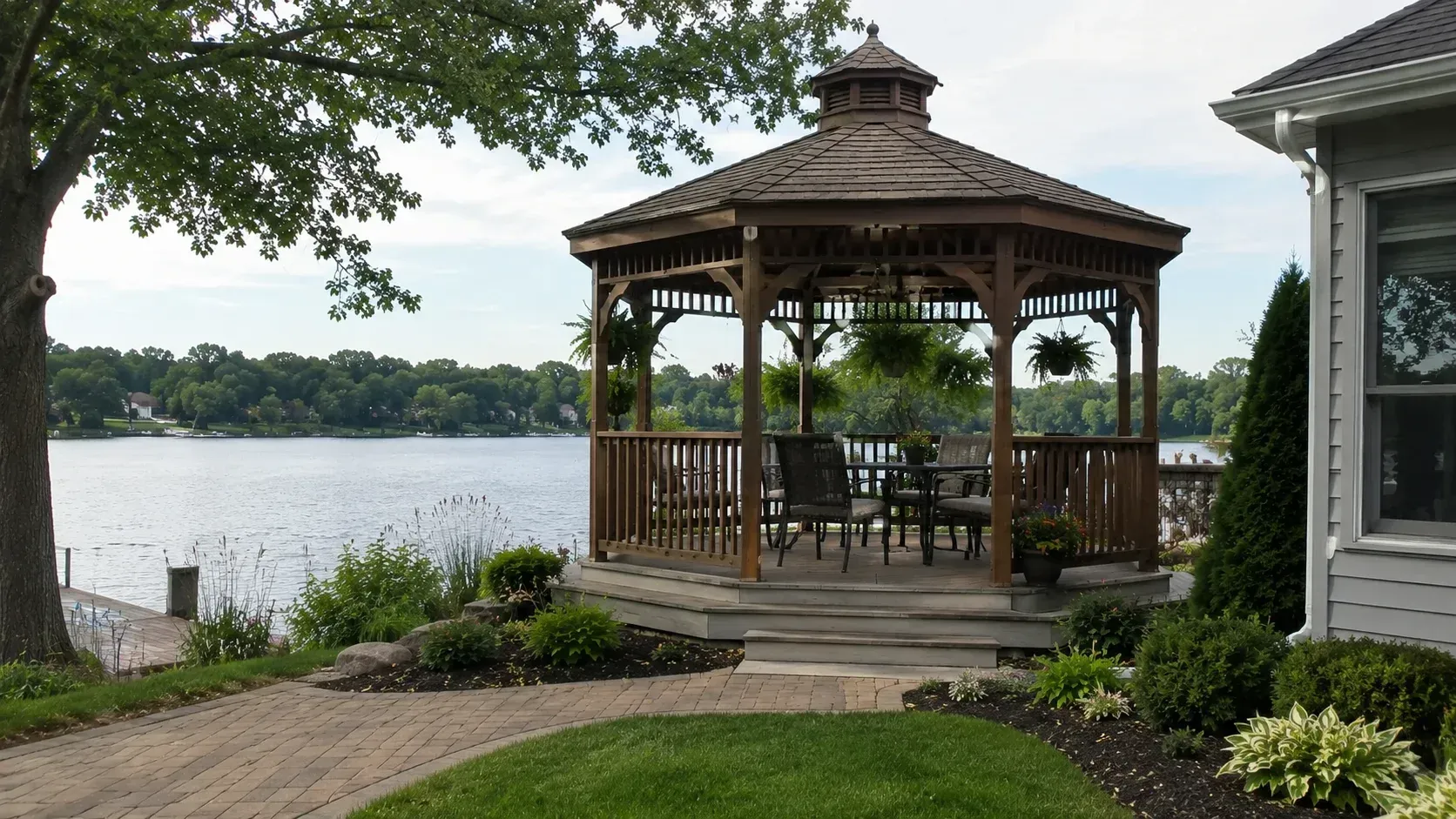
- Waterfront viewing platforms
Urban outdoor spaces often experience heavy foot traffic, which makes structural durability important.
In commercial environments, stainless decking may also support safety rail systems and structural support frames.
Design and Installation Considerations
Structural Planning
Before installing a stainless deck, we prioritize proper structural engineering planning. Load calculations help determine:
- Beam spacing
- Support column placement
- Fastener strength requirements
Working with qualified construction professionals helps reduce structural stress risks.
Surface Design Choices
Stainless steel surfaces can be smooth, brushed, or textured. Surface texture affects:
- Slip resistance
- Cleaning ease
- Visual appearance
In outdoor environments where rain and snow are common, we often recommend textured finishes to help improve traction.
Drainage Management
Water management is critical in outdoor construction. Standing water can affect structural longevity even with corrosion-resistant materials.
Proper deck slope design helps guide water away from structural joints and support frames.
Potential Limitations to Understand
We approach material selection realistically by acknowledging limitations. Stainless decking materials may have:
- Higher initial material costs compared to some alternatives
- Potential heat retention during direct sunlight exposure
- Weight considerations during structural design planning
These factors do not necessarily prevent use but should be included in early design discussions.
Conclusion
A stainless deck is often chosen for outdoor construction projects because of its durability, corrosion resistance, and structural strength. We have discussed how stainless steel grades influence performance and how environmental conditions in Milwaukee, WI can affect material selection.
Understanding material advantages and limitations helps property owners and construction planners make more informed decisions. Stainless decking can support residential and commercial outdoor structures when properly designed and installed.
We continue to recommend evaluating environmental exposure, structural requirements, and maintenance planning before making final construction material decisions.
If you need professional guidance, you can explore our services through Lakeside Deck Builders. Send us an email at lakesidecontractingmke@gmail.com or call us at 262-221-4321 to learn more about our services.
Frequently Asked Questions
Is stainless decking completely rust-proof?
No material is completely rust-proof. Stainless steel resists corrosion but still requires proper maintenance and environmental planning.
Which stainless steel grade is best for outdoor decks?
The choice depends on environmental exposure. 316-grade stainless steel is often used in high-moisture or salt-exposed environments.
How often should stainless decks be cleaned?
Cleaning schedules vary based on environmental exposure. Regular inspection and gentle cleaning help maintain surface quality.
Are stainless decks expensive compared to other materials?
Initial costs may be higher compared to some materials. We focus on long-term planning rather than short-term cost comparison.
Can stainless decks be used in residential homes?
Yes. Stainless decking can be used in residential, commercial, and mixed-use outdoor spaces when properly designed.
Explore More Blogs