What Materials Are Best for Pergola Construction Projects?
Table of Contents
- Understanding Pergola Construction Materials
- Why Material Choice Matters
- Wood Pergolas: Classic and Versatile
- Vinyl Pergolas: Low Maintenance Appeal
- Metal Pergolas: Strength and Modern Style
- Comparing Durability and Maintenance
- Climate Considerations for Pergola Building Materials
- Cost vs Long-Term Value
- Practical Tips for Choosing the Right Material
- Final Thoughts and Next Steps
- Frequently Asked Questions
Key Takeaways
- Choosing the right pergola construction materials directly affects durability, maintenance, and overall appearance.
- Wood remains the most popular option, especially when selecting the best wood for pergola construction like cedar or redwood.
- Vinyl offers low maintenance and clean aesthetics but may lack the natural charm of wood.
- Metal pergolas provide unmatched strength and modern appeal, ideal for long-term investment.
Understanding Pergola Construction Materials
When planning an outdoor upgrade, a pergola can instantly elevate your space, adding both style and function. But before you begin building, one of the most important decisions you will make is selecting the right pergola construction materials. The material you choose determines not just how your pergola looks, but also how long it lasts, how much maintenance it requires, and how well it performs in your local climate.
A well-built pergola should blend seamlessly with your home while standing up to weather conditions year after year. Whether you are a homeowner creating a relaxing backyard retreat or a landscaper designing a client’s outdoor living area, understanding your options will help you make a confident decision.
Why Material Choice Matters
Not all pergola building materials are created equal. Each option comes with its own strengths and trade-offs. Some materials prioritize aesthetics, while others focus on durability or ease of maintenance.
For example, a wooden pergola might offer warmth and natural beauty, but it requires regular sealing or staining. On the other hand, vinyl may be easier to maintain but might not deliver the same organic feel. Metal options, while strong and modern, can sometimes feel too industrial depending on the design.
Choosing wisely means balancing three key factors: appearance, longevity, and upkeep.
Wood Pergolas: Classic and Versatile
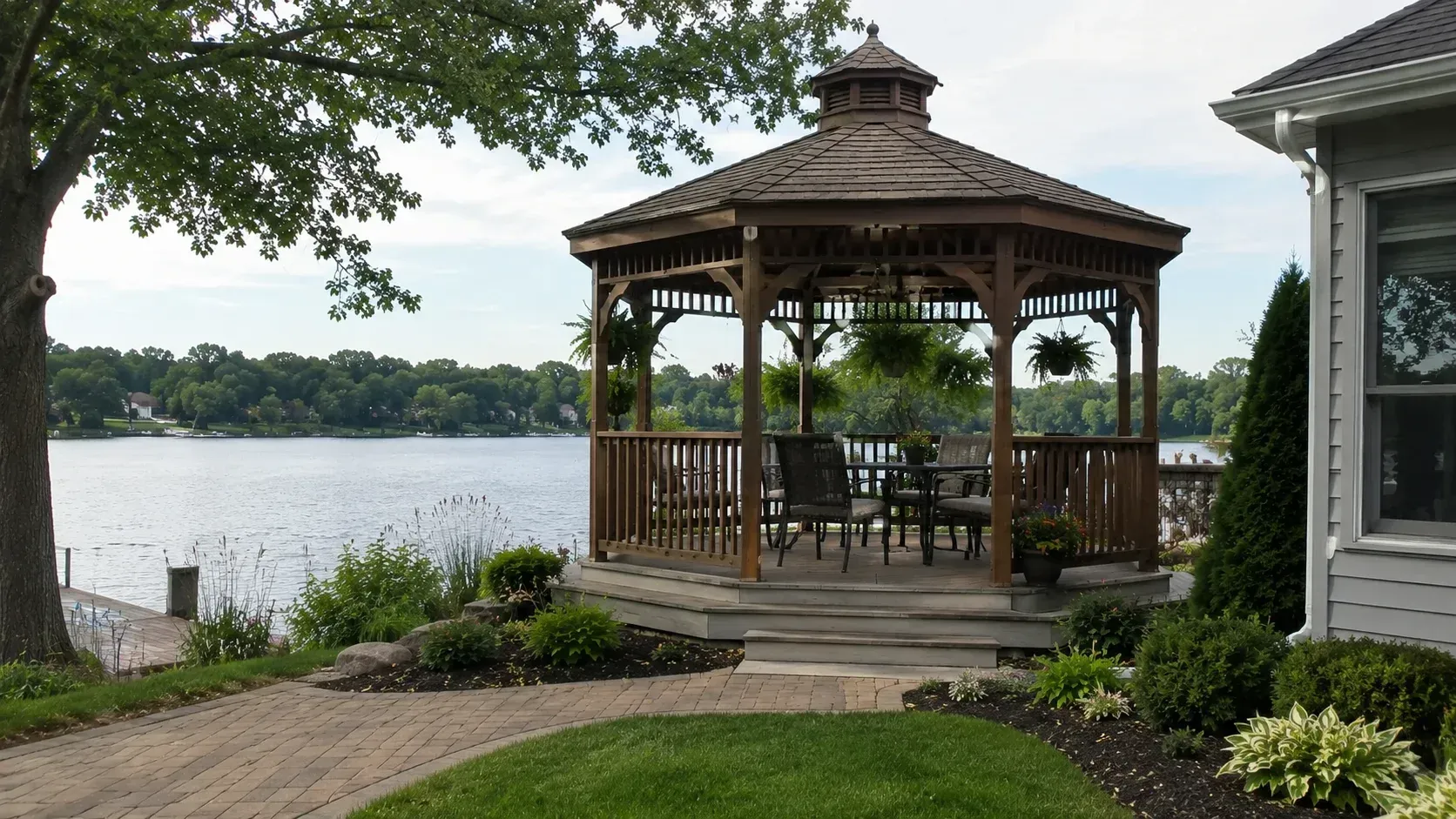
Wood is often considered the gold standard when discussing pergola construction materials. Its natural beauty and versatility make it a top choice for many outdoor projects.
Types of Wood to Consider
When selecting the best wood for pergola construction, certain species stand out:
- Cedar
- Redwood
- Pressure-treated pine
Cedar and redwood are naturally resistant to decay and insects, making them excellent long-term choices. Pressure-treated pine is more budget-friendly and widely available, though it may require more maintenance over time.
Benefits of Wood Pergolas
Wood pergolas offer unmatched aesthetic appeal. They can be stained or painted to match your home’s exterior, allowing for complete customization. They also work well with various design styles, from rustic to modern farmhouse.
Another advantage is flexibility in design. Wood is easier to cut and shape, making it ideal for custom builds with intricate details.
Drawbacks to Consider
The main downside is maintenance. Wood requires periodic sealing, staining, or painting to protect it from moisture, UV rays, and pests. Without proper care, it can warp, crack, or rot over time.
Still, for many homeowners, the beauty of wood outweighs the extra effort.
Vinyl Pergolas: Low Maintenance Appeal
Vinyl has become increasingly popular among homeowners who want a clean, polished look without the hassle of constant upkeep. As one of the more convenient pergola building materials, vinyl offers a practical alternative to wood.
Advantages of Vinyl
Vinyl pergolas are known for their low maintenance. Unlike wood, they do not need painting or staining. A simple rinse with water is usually enough to keep them looking new.
They are also resistant to rot, insects, and moisture, making them a durable choice in many climates.
Limitations of Vinyl
While vinyl is durable, it may lack the natural charm that wood provides. Some designs can look too uniform or synthetic, which may not suit every outdoor aesthetic.
Additionally, vinyl pergolas often come in pre-fabricated kits, which can limit customization options compared to wood.
Metal Pergolas: Strength and Modern Style
For those seeking durability and a contemporary look, metal is a strong contender among pergola construction materials.
Common Metal Options
Metal pergolas are typically made from:
- Aluminum
- Steel
Aluminum is lightweight, rust-resistant, and easy to maintain. Steel, on the other hand, offers superior strength but may require protective coatings to prevent corrosion.
Benefits of Metal Pergolas
Metal pergolas are incredibly durable and can withstand harsh weather conditions. They are ideal for homeowners who want a long-lasting structure with minimal maintenance.
They also pair well with modern architectural styles, offering sleek lines and a minimalist aesthetic.
Potential Downsides
Metal can heat up quickly in direct sunlight, which may affect comfort. Additionally, installation can be more complex and may require professional assistance.
Comparing Durability and Maintenance
When evaluating pergola building materials, durability and maintenance often go hand in hand.
Wood offers moderate durability but requires consistent care. Vinyl provides excellent resistance to the elements with minimal upkeep. Metal stands out for its strength and longevity, though it may need occasional maintenance depending on the type.
If you prefer a hands-off approach, vinyl or aluminum might be your best option. If you enjoy maintaining your outdoor space and value natural aesthetics, wood could be worth the effort.
Climate Considerations for Pergola Building Materials
Your local climate plays a major role in determining the best pergola construction materials.
In humid or rainy regions, materials that resist moisture, such as vinyl or aluminum, tend to perform better. In dry climates, wood can thrive with proper care. Coastal areas may require corrosion-resistant materials due to salt exposure.
Choosing materials suited to your environment ensures your pergola remains functional and visually appealing for years to come.
Cost vs Long-Term Value
Budget is always a factor, but it is important to think beyond the initial cost.
Wood is often more affordable upfront, especially pressure-treated pine. However, ongoing maintenance costs can add up over time. Vinyl and aluminum may have higher initial costs but require less maintenance, potentially saving money in the long run.
When comparing pergola construction materials, consider both short-term expenses and long-term value.
Practical Tips for Choosing the Right Material
Start by defining your priorities. Do you value aesthetics, durability, or low maintenance the most?
Next, evaluate your environment. Weather conditions will influence how well each material performs. Then, consider your budget, including installation and maintenance costs.
It is also helpful to think about how the pergola will be used. If it is a focal point for entertaining, you may want a material that enhances visual appeal. If it is primarily functional, durability might take priority.
Finally, consult with professionals who understand the nuances of different pergola building materials and can guide you toward the best option for your specific needs.
Final Thoughts and Next Steps
Selecting the right pergola construction materials is one of the most important steps in creating a beautiful and functional outdoor space. Whether you choose the natural charm of the best wood for pergola construction, the convenience of vinyl, or the strength of metal, each option offers unique benefits. The key is finding the right balance between style, durability, and maintenance. By understanding your options and considering your specific needs, you can build a pergola that enhances your outdoor living experience for years to come.
If you are ready to start your pergola project or need expert guidance, reach out to
Lakeside Deck Builders. Our team can help you choose the best materials and design a pergola that fits your vision. Visit or contact us at
(262) 221-4321 or
lakesidecontractingmke@gmail.com to learn more.
Frequently Asked Questions
What are the best pergola construction materials for our backyard?
We usually recommend wood for its natural beauty, vinyl for low maintenance, and metal for strength. The choice depends on your style, climate, and how much upkeep you’re willing to do.
How do we know the best wood for pergola construction?
Cedar and redwood are our top picks because they resist rot and insects. Pressure-treated pine works too, especially if you want a budget-friendly option with proper maintenance.
Can you explain the different pergola building materials and their maintenance?
Wood needs regular sealing or staining, vinyl is almost maintenance-free, and metal is durable but may need occasional rust protection. We help weigh the pros and cons for your space.
Will certain pergola construction materials last longer in our climate?
Yes, moisture-prone areas do better with vinyl or aluminum, while dry climates suit wood. We guide you in choosing materials that withstand local weather while keeping your pergola beautiful.
Which pergola building materials give us the best long-term value?
We usually see vinyl and metal offer excellent long-term value due to low upkeep, while wood looks stunning but requires more care. Your choice depends on budget, style, and maintenance preference.
Explore More Blogs