What Is the Best Deck Height for Uneven or Sloped Yards in Wisconsin?
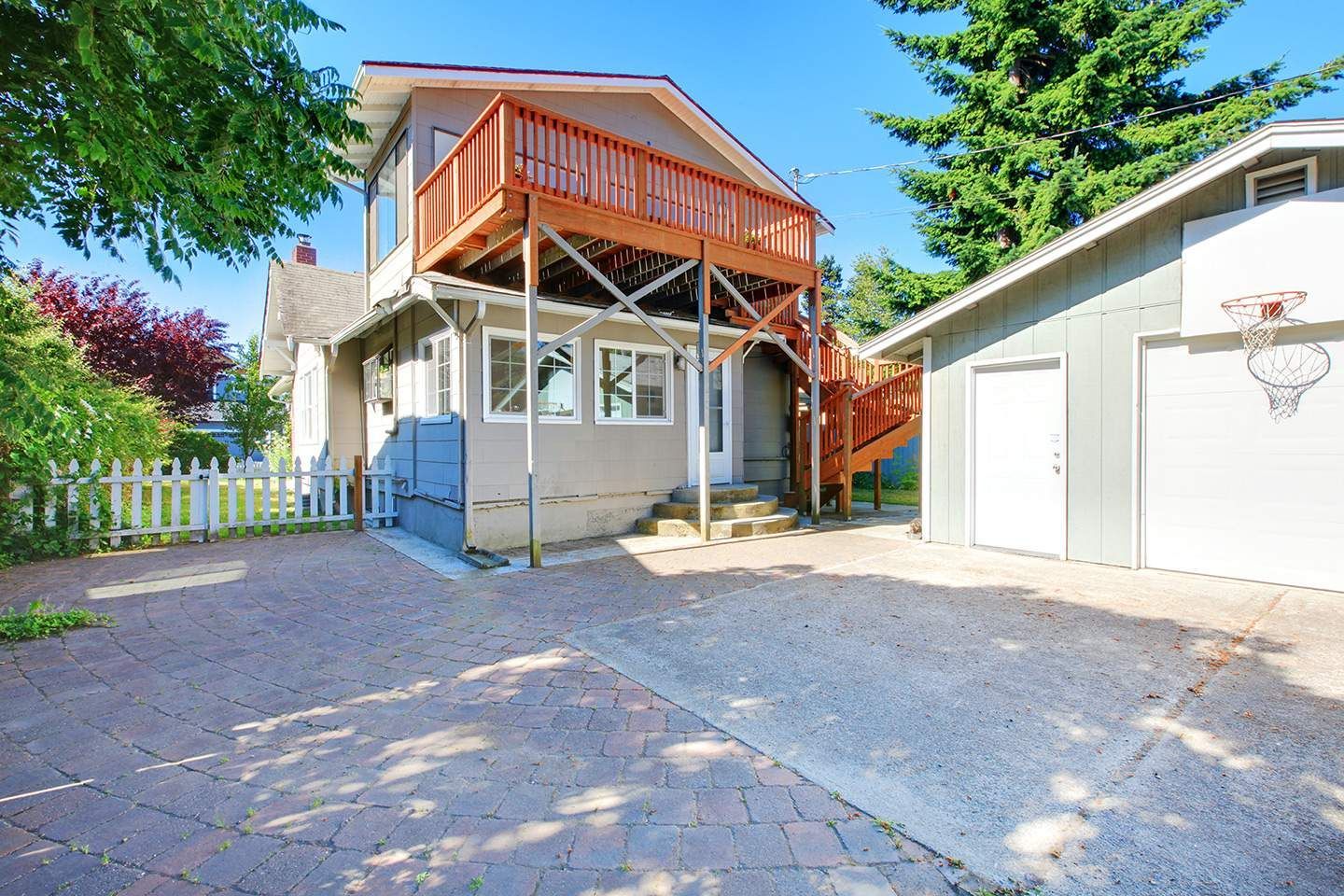
Table of Contents
- Introduction
- Understanding Deck Height and Its Importance
- What Deck Height Means
- Why Deck Height Matters on Sloped Yards
- Factors Influencing the Best Deck Height
- Yard Slope and Grading
- Safety and Accessibility Considerations
- Structural Support Requirements
- Aesthetic and Design Considerations
- Calculating the Right Deck Height
- Measuring Yard Slope
- Evaluating Entry and Exit Points
- Considering Elevated Deck Height Standards
- Common Deck Designs for Sloped Yards
- Multi-Level Decks
- Tiered or Stepped Decks
- Floating Decks
- Local Regulations and Permits in Milwaukee
- Deck Building Permits
- Deck Regulations
- Working with Licensed Deck Builders
- Conclusion
- Book a Deck Design Consultation
- Frequently Asked Questions
Key Takeaways
- The best deck height balances safety, accessibility, and aesthetics while accommodating your yard’s slope.
- Yard slope, grading, and drainage are critical factors in determining deck height.
- Structural support, including footings and joists, must meet local building codes for elevated decks.
- Multi-level or tiered designs can optimize functionality and appearance on sloped properties.
- Always review Milwaukee deck regulations and obtain the required permits before construction.
Introduction
Determining the best deck height for uneven or sloped yards in Wisconsin requires balancing safety, accessibility, and deck design considerations. For homeowners in Milwaukee and surrounding areas, an improperly planned deck height can create hazards, complicate maintenance, and limit usability. By understanding how slope, grading, and structural support interact, you can plan a deck that integrates smoothly with your property’s natural terrain.
This guide provides practical, neutral information for homeowners considering elevated deck height solutions on challenging landscapes.
Understanding Deck Height and Its Importance
What Deck Height Means
Deck height refers to the vertical distance from the ground to the deck’s surface. In uneven or sloped yards, this measurement is rarely uniform across the entire deck area. Elevated decks often require posts or piers of varying lengths to maintain a level surface, while also ensuring that the structure remains stable and secure.
Why Deck Height Matters on Sloped Yards
On sloped properties, deck height impacts several critical factors:
- Safety:
Higher decks may require railings, while lower decks are closer to the ground but may encounter drainage or soil stability issues. - Accessibility:
Deck height affects ease of entry from the home, yard, or stairs, and may influence ADA or mobility considerations. - Aesthetics:
Proper height allows the deck to blend with landscaping and provide functional outdoor spaces without appearing disproportionate.
Factors Influencing the Best Deck Height
Yard Slope and Grading
The slope of your yard is the starting point for determining deck height. A gentle slope may only require minor elevation adjustments, while a steep incline could necessitate multi-level designs. Homeowners should:
- Measure the slope using a level or laser tool
- Identify high and low points
- Consider drainage patterns to prevent water accumulation near the deck
Safety and Accessibility Considerations
Deck height directly affects safety. Elevated decks often need guardrails, stairways, and secure anchoring systems. Key points include:
- Following code requirements for railing height (typically 36–42 inches in Wisconsin)
- Ensuring stair treads and risers are uniform for safe navigation
- Maintaining clear access to yard areas and pathways
Structural Support Requirements
The higher the deck, the more robust the structural system must be. For elevated decks on uneven yards, builders must account for:
- Post depth and footing requirements according to soil conditions
- Joist spans and beam sizing to support deck loads
- Lateral bracing to prevent swaying or settling
Aesthetic and Design Considerations
Deck height affects how the deck interacts with your home and landscape. Practical design decisions include:
- Aligning the deck with home entrances or patios
- Incorporating tiered levels to follow the natural slope
- Selecting materials and finishes that complement the property
Calculating the Right Deck Height
Measuring Yard Slope
Start with a clear measurement of your yard’s slope:
- Use a long straight board or string line across the slope
- Place a level along the board or string to identify high and low points
- Calculate the vertical drop per horizontal foot to determine slope ratio
Evaluating Entry and Exit Points
Consider how the deck connects with existing features:
- Ground-level entry points may require steps or a ramp
- Connection to your home’s doorways should align with interior floor height for seamless access
- Walkways, patios, and landscaping may influence the optimal deck height
Considering Elevated Deck Height Standards
While there is no one-size-fits-all height, most elevated decks in Milwaukee range from 12 to 36 inches above grade for gentle slopes. Steeper properties may require decks exceeding 4–5 feet in height, with additional engineering and permit requirements.
For expert guidance, consult Lakeside Deck Builders.
Common Deck Designs for Sloped Yards
Multi-Level Decks
Multi-level decks divide the deck into separate platforms at different heights. This approach:
- Reduces steep stair requirements
- Accommodates natural slope
- Provides distinct functional areas (e.g., dining, lounging, grilling)
Tiered or Stepped Decks
Stepped decks gradually transition from one elevation to another. Benefits include:
- Blending seamlessly with landscaping
- Minimizing the need for high posts or extensive excavation
- Creating visual interest and separate activity zones
Floating Decks
Floating decks rest above the ground without deep footings or piers in certain areas. While less common on steep slopes, they can:
- Be adjusted to moderate slopes with shorter posts
- Preserve natural terrain
- Offer a flexible design option for temporary or low-impact decks
Local Regulations and Permits in Milwaukee
Deck Building Permits
Milwaukee requires permits for most elevated decks, particularly those exceeding 30 inches above grade. Permit considerations include:
- Structural plans showing deck height, supports, and railing design
- Compliance with soil, slope, and drainage regulations
- Inspection schedules to verify safety standards
Deck Regulations
Deck regulations are designed to ensure safety, durability, and proper integration with property lines. Relevant guidelines include:
- Minimum railing heights
- Stair tread and riser dimensions
- Setbacks from property lines and easements
Working with Licensed Deck Builders
Hiring a licensed deck builder ensures adherence to local building codes and structural safety standards. Licensed professionals can:
- Evaluate your slope and soil conditions
- Recommend the appropriate deck height and support system
- Prepare permit applications and coordinate inspections
For more on professional deck building, check out Lakeside Deck Builders’ deck services.
Conclusion
Determining the best deck height for uneven or sloped yards in Wisconsin requires careful consideration of slope, safety, accessibility, and design factors. Evaluating yard grading, structural support, and aesthetic preferences allows homeowners to plan a deck that fits their property’s unique characteristics. By understanding local regulations and working with qualified professionals, homeowners can make informed decisions that balance functionality, safety, and visual appeal.
Book a Deck Consultation
Homeowners seeking guidance on deck height, design, or local building requirements can contact Lakeside Deck Builders. A professional assessment helps determine the appropriate deck height for your sloped yard while ensuring alignment with Milwaukee regulations and best construction practices.
Learn how building a deck can help you fall in love with your home again with expert deck design advice today.
Frequently Asked Questions
What is considered a high deck in Milwaukee?
Decks more than 30 inches above grade are generally considered elevated and require guardrails and permits.
How do I measure the slope of my yard?
Use a level or laser tool along a straight board or string line to measure the vertical drop over horizontal distance.
Can I build a deck on a steep slope?
Yes, but it may require multi-level or tiered designs and stronger structural supports to ensure stability.
Do I need a permit for a low deck?
Decks less than 30 inches above grade may not require a permit in Milwaukee, but local code verification is recommended.
What safety features are important for elevated decks?
Guardrails, uniform stairs, secure anchoring, and proper post footings are essential for safety.
Are floating decks suitable for uneven yards?
Floating decks can work on gentle slopes but may require additional support or adjustment for steeper areas.
Why hire a licensed deck builder?
Licensed builders ensure compliance with local regulations, proper structural design, and safe installation practices.
Explore More Blogs